




Edited by Dr. Valeria Ascione, pharmacist.
Caffeine Applied to the Skin constricts the superficial blood vessels: It is a real and well-documented pharmacological mechanism. The results are noticeable on puffy eyes, but with one important caveat: the following factors also play a significant role: The cold and the texture depending on how you apply it. The evidence regarding cellulite is weaker, because cellulite isn't a superficial problem: it's a structural issue that a cosmetic product cannot change.
It's a useful asset, as long as you know what to expect and how to use it. Most of the disappointment stems from promises that weren't about the ingredient itself but about how it was marketed.
In short
- It acts to vasoconstriction: reduces fluid retention and visible swelling.
- Around the eyes, the effect is temporary, lasting a few hours, and it must be renewed every morning.
- Temperature and texture are just as important as the molecule itself. It's much more effective when applied fresh.
- Individual responses vary greatly: It doesn't work the same way for everyone.
- It works only on dark circles caused by vascular, not on pigment-based or structural ones.
- The documented effects on cellulite are small: No topical treatment alters the structural component.
How does caffeine affect the skin?
Caffeine is a methylxanthine, and it has two main effects on the skin: constricts the superficial blood vessels and interferes with an enzyme involved in fat metabolism, phosphodiesterase.
The first effect is the one you see: less pooled blood and less fluid in the tissues means less swelling, and—where the swelling contributed to the dark circles—a more rested appearance.
The second is the one on which its use in body care products is based. It is a real mechanism, but there is a significant gap between how it works in the lab and its ability to visibly change the appearance of the skin—a gap that is worth understanding before expecting results.
What do studies say about caffeine for the eye area?
There is an effect on puffiness, but it is more modest and more closely tied to the formula as a whole than the marketing claims. The most frequently cited study in this field tested a gel containing 3% caffeine on periorbital puffiness, and the results are worth reading all the way through, because usually only the first half is reported.
The swelling has gone down, but in about one-quarter of the participants. And above all: the difference compared to the The caffeine-free base gel did not show any significant results. The authors conclude that the main factor was the’cooling effect of the hydrophilic gel, rather than the vasoconstriction caused by caffeine (Amnuaikit & Maneenuan, Journal of Applied Pharmaceutical Science).
What does this mean in practice?
It’s not that caffeine is useless: vasoconstriction is a well-documented mechanism, and it has a solid rationale when it comes to the vascular component. But the results in this area depend on the whole package—the molecule, texture, application temperature, and technique—rather than on any single ingredient. That’s why the same product, when applied cold in the morning using a patting motion, works much better than the same product applied hastily at room temperature.
It's also worth noting the duration: the effect lasts on the order of a few hours. It’s something you should do every morning—not a result that builds up over time. And the response varies greatly from person to person: if it doesn’t work very well for you, that doesn’t necessarily mean you’re doing something wrong.
Why does caffeine work on some dark circles under the eyes but not on others?
Because not all dark circles are the same, and caffeine only addresses one of the three possible causes.
| Type | What does it depend on? | Response to Caffeine |
|---|---|---|
| Vascular | Blood and fluid retention, thin skin | Good, but temporary |
| Pigmentary | Excess melanin in the area | Poor |
| Structural | Bone structure, loss of volume | None |
A simple way to tell the difference: if the shadow fades when you gently smooth the skin with a finger, the cause is likely vascular or structural; if it remains the same, there is a pigment-related component. No cosmetic product addresses all three.
Is caffeine effective against cellulite?
Only partially: it acts on the skin's surface, not on the structural cause of cellulite.
Cellulite depends on the structure of the fibrous septa that connect the skin to the underlying tissues: these septa create the dimpled appearance by pulling the surface downward while the fatty tissue pushes upward. It is a matter of fabric architecture, not of the skin's surface.
Controlled studies on topical caffeine products show improvements in skin appearance, but with small effect sizes. No ingredient applied to the skin alters the fibrous septa.
What can he do, then?
A caffeine-based body treatment addresses hydration, skin tone, and fluid retention. The skin appears firmer and more even-toned, and the results are noticeable in terms of reducing puffiness. It offers a real, aesthetic, and temporary benefit. A cream alone cannot eliminate cellulite—that remains a result no cosmetic product can guarantee.
That is also why body treatments are more effective when combined with massage: the mechanical aspect of drainage is just as important as the active ingredient.
How can you use caffeine to get the best results?
How you apply the product isn't just a minor detail: given the results above, it's at least half the battle.
- In the morning Around the eyes: this is when fluid buildup is at its peak at night, and the effect is most noticeable.
- Apply cold. Keep the product in the refrigerator: the low temperature adds its vasoconstrictive effect to that of caffeine, and studies have shown this to be a key factor.
- Tap, don't spread, using your ring finger, from the inside toward the outside. This gentle massage helps with drainage.
- On the body, with a massage, on an ongoing basis: the effect must be sustained, not achieved just once.
Where to Find It in Our Products
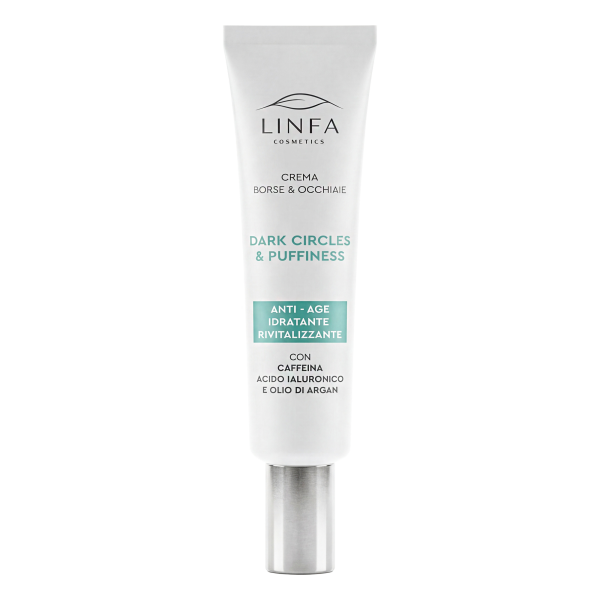
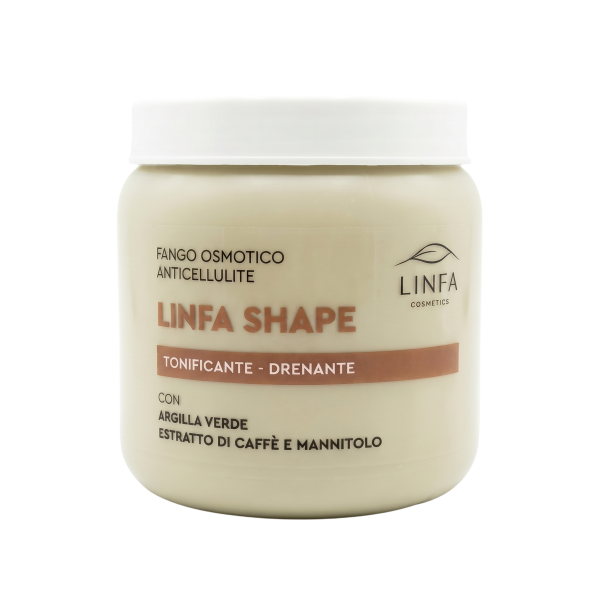
In both formulas, caffeine doesn’t work alone: it’s combined with active ingredients that promote drainage, hydration, and firmness, and with textures designed to be applied cool and with a massage. It’s the combination of these elements that delivers the results.
In summary
Caffeine does one thing, and it does it well: it temporarily reduces puffiness. When applied cold to the eye area in the morning, it’s one of the few things that deliver visible results in just a few minutes—as long as you understand that the effect comes from the combination of the formula and the application technique, and that it needs to be reapplied. On the body, it improves the appearance of the skin without addressing the structural cause of cellulite.
When used with this in mind, it’s an excellent ingredient. But if you buy it expecting it to eliminate dark circles or cellulite, you’ll almost always be disappointed—and that disappointment isn’t due to the ingredient itself.
Frequently Asked Questions
Does caffeine really work on dark circles under the eyes?
As for swelling, yes, it has a real but temporary effect. It should be noted, however, that in the available studies, the caffeine gel did not significantly outperform the base gel, and the authors attribute much of the result to the cooling effect of the texture. The practical conclusion is that it’s the combination that matters: the active ingredient, the formula, the cooling sensation, and the application technique.
How long does the effect last?
Within a few hours: this is a vasoconstrictive effect that must be repeated; it is not a result that builds up over time. That is why the best time to apply it is in the morning, when fluid retention from the night is at its peak.
Can a caffeine cream get rid of cellulite?
No. Cellulite is caused by the structure of the fibrous septa beneath the skin, and no product applied to the skin’s surface can alter them. Studies show improvements in skin appearance, but the effects are minor. The benefit is cosmetic and must be maintained over time.
Why doesn't it seem to work for me?
Individual responses vary widely: in the most frequently cited study, swelling was reduced in about a quarter of the participants. The type of dark circles also plays a role, because the effect is inherently minimal on pigmentary or structural dark circles, and the method of application matters: applying the product at room temperature and without massage yields much less of a result.
Does this product need to be kept in the refrigerator?
It’s not a storage requirement, but it makes a real difference: cold has a vasoconstrictive effect in and of itself, and studies on periorbital swelling have identified it as the main factor. Applying the product while it’s cool is probably the single most effective measure you can take.
How much caffeine does a product need to contain to be effective?
The most commonly studied concentrations for the eye area are around 3%. There is no solid evidence to suggest a proportionally greater benefit beyond this threshold: the overall formula and the application technique matter just as much as the stated percentage.
Is caffeine in cosmetics absorbed into the bloodstream?
Absorption through the skin is minimal compared to that achieved by drinking coffee, and no significant systemic effects have been observed at cosmetic concentrations. The mechanism of action is essentially local, affecting the superficial blood vessels in the treated area.
Which is better: a caffeine cream or a homemade coffee scrub?
They are not the same: a homemade coffee scrub primarily provides mechanical exfoliation, with caffeine that penetrates the skin in an uncontrolled manner. A specialized cosmetic formula, on the other hand, has a specific concentration and a texture designed for the area of application.
Can it be used together with retinol or hyaluronic acid?
Yes, there are no known incompatibilities. It is a well-tolerated ingredient and is often found in formulations that combine it with hyaluronic acid or draining active ingredients precisely to enhance its effectiveness.
How long does it take to see results for cellulite?
The improvements reported in the studies mainly concern skin tone and surface hydration, not the structural component of cellulite, and require consistent use over time—usually several weeks—to be noticeable.