



Edited by Dr. Valeria Ascione, pharmacist.
The concentration with the most clinical evidence is the one between 4 and 5%. At higher concentrations, there is no proven increase in effectiveness; instead, the likelihood of irritation increases. It is a cosmetic active ingredient with one of the best-documented profiles, and it works simultaneously on three fronts: even skin tone, skin barrier function, and shine control.
It's not a spectacular asset. It's a reliable asset, which is a different—and rarer—quality.
In short
- It works on three things at once: Skin discoloration, skin barrier, and sebum. Few active participants do so.
- The strongest evidence is found in the 4-5%. Formulas containing 10% have no proven benefit.
- On sensitive skin, the 2% is already effective on barriers and clarity.
- It can reduce irritation caused by retinol: It is one of the few combinations with favorable data.
- The prohibition against combining it with vitamin C is a myth Developed through experiments conducted under non-cosmetic conditions.
What exactly does niacinamide do for the skin?
It works simultaneously on three fronts: it minimizes the appearance of discoloration, strengthens the skin barrier, and reduces sebum and shine. It is this combination—rather than any single isolated effect—that makes it a leading active ingredient.
On discoloration. It interferes with the transfer of pigment from melanocytes to epidermal cells. The reference study on this mechanism documented an inhibition of melanosome transfer ranging from 35 to 68% in vitro, and in the clinical portion of the study, 5% niacinamide significantly reduced hyperpigmentation compared to the vehicle alone. after four weeks (Hakozaki et al., British Journal of Dermatology, 2002).
Over the long term, a double-blind, split-face study of 50 women with signs of photoaging found that, after twelve weeks 5% niacinamide applied twice daily showed significant improvements in hyperpigmented spots, diffuse redness, fine lines, and dullness of the complexion compared to the vehicle (Bissett, Oblong & Berge, *Dermatologic Surgery*, 2005).
On the skin barrier. It stimulates the synthesis of ceramides, the lipids that hold the stratum corneum together. This is one of the reasons why skin treated with niacinamide tends to tolerate other active ingredients better and lose less water.
About sebum. It reduces sebum production and shine: the effect is observed even at lower concentrations, around 2%, after just a few weeks.
Is a higher percentage of niacinamide more effective?
No: Above 4-5%, there is no proven additional benefit, while the likelihood of irritation increases. This is the most common misconception, fueled by a market that uses the percentage as a selling point.
| Concentration | What Is Documented | Evaluation |
|---|---|---|
| 2% | Barrier protection and sebum control, excellent tolerability | Suitable for sensitive skin |
| 4-5% | Skin discoloration, fine lines, redness, even skin tone | Better documented |
| 10% and beyond | No additional benefits have been demonstrated | More irritation |
Formulas containing 10% do exist and are not considered dangerous, but they sell a number, not an additional benefit. For sensitive skin or skin that is already adjusting to another active ingredient, that number is a cost, not a benefit.
Is it true that niacinamide and vitamin C shouldn't be used together?
No, that's a myth. For years, there has been a rumor that the two cancel each other out or cause redness, but under normal conditions of use—when a cosmetic product is applied to the skin—this isn't a practical problem.
The claim is true but misunderstood: the chemical reaction cited to support the ban was observed in a laboratory, at high temperatures and under conditions that have nothing to do with a cosmetic formula applied to the skin.
How Things Stand
The two molecules can be used together. The only sensible precaution applies to very sensitive skin, where combining two active ingredients should still be done gradually. However, the restriction itself has no basis in the actual conditions under which cosmetics are used.
Can niacinamide and retinol be used together?
Yes, and it is one of the few combinations for which there is experimental data to support it: niacinamide, when combined with physiological lipids, can reduce retinol-induced erythema and inflammation.
It's especially useful when you're first starting to use a retinoid, when your skin is more prone to irritation. If you're just starting out with retinol, the complete routine is in the article on How to Use Retinol Without Irritating Your Skin.
Where to Find It in Our Products
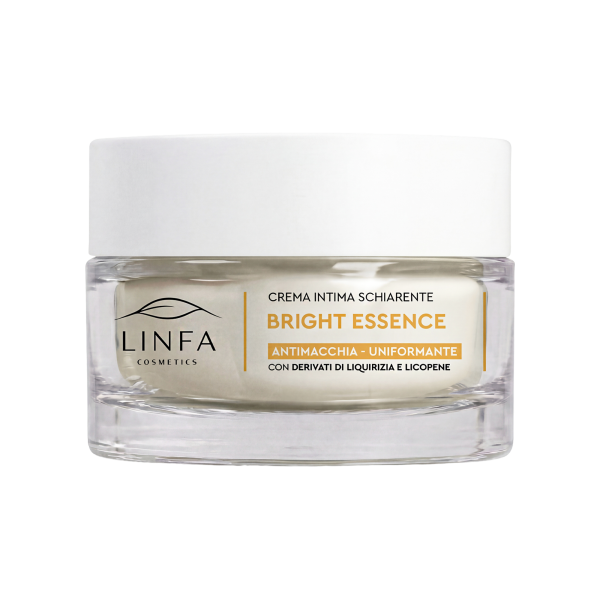
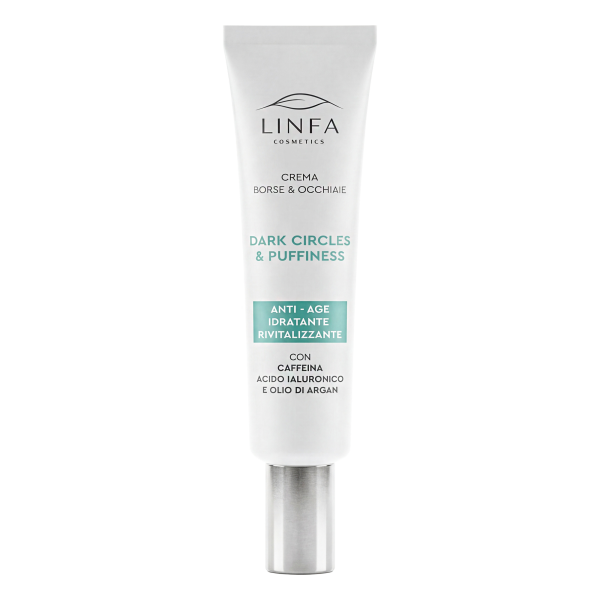
We formulated it to target the areas where its three actions are most needed: discoloration in delicate areas and the eye contour, where its skin-evening action is complemented by its protective effect on the skin’s barrier in these particularly thin areas.
In summary
Niacinamide is a prime example of what a reliable cosmetic ingredient is all about: it works on multiple fronts at once—skin tone, the skin barrier, and sebum—with a wide safety margin even for sensitive skin.
The practical criterion for choosing it remains the concentration: between 4 and 5% for the strongest evidence, or 2% when tolerability is the top priority.
Frequently Asked Questions
What is niacinamide used for?
It works on three fronts simultaneously: it minimizes the appearance of discoloration by interfering with pigment transfer, strengthens the skin barrier by stimulating ceramide synthesis, and reduces sebum production and shine.
What percentage of niacinamide should you choose?
The range between 4 and 5% is the one with the strongest clinical evidence: this is the concentration used in placebo-controlled studies. 2% is already sufficient for skin barrier protection and sebum control, and is preferable for sensitive skin. Above 10%, there is no additional benefit, while the likelihood of irritation increases.
Can niacinamide and vitamin C be used together?
Yes. The restriction stems from a reaction observed in the laboratory at high temperatures, under conditions that do not correspond to those of a cosmetic product applied to the skin. For very sensitive skin, however, the rule is to introduce one active ingredient at a time.
Can it be used with retinol?
Yes, and this is one of the combinations backed by evidence: niacinamide, when combined with physiological lipids, can reduce retinol-induced erythema and inflammation. It is particularly useful during the first few weeks of starting a retinoid.
How long does it take to see results?
The first documented changes in skin tone appear after four weeks, with progressive improvements in dark spots, redness, and fine lines observed at twelve weeks in studies against a placebo. Perceived improvements in the skin barrier and radiance occur more quickly, often within a couple of weeks.
Is niacinamide good for oily and acne-prone skin?
Yes: Because it acts on sebum and inflammation, it is one of the most recommended active ingredients for oily and acne-prone skin. Its good tolerability also makes it suitable for use in combination with other specific acne treatments.
Can it be used with exfoliating acids (AHA/BHA)?
Generally speaking, yes, but introduce it gradually. It’s one of the best-tolerated active ingredients and often helps minimize the irritation caused by an exfoliating acid, but on very sensitive skin, it’s still prudent to alternate the nights you use the two active ingredients.
Does niacinamide lighten dark spots?
It reduces the appearance of discoloration by interfering with pigment transfer, with gradual results after a few weeks of consistent use. It is not a whitening product and does not work the same way on very dark or deep spots.
Is it safe during pregnancy?
It is generally considered one of the cosmetic ingredients with the best tolerability profile, even during pregnancy and breastfeeding. If you have specific concerns, however, consulting your gynecologist remains the most prudent course of action.
Does it have any side effects or contraindications?
It is one of the active ingredients with the best tolerability profile in cosmetics. At higher concentrations—above 10%—it primarily increases the likelihood of temporary redness and a sensation of warmth, rather than actual allergic reactions.