



Edited by Dr. Valeria Ascione, pharmacist.
How can you achieve smooth, toned, and hydrated skin while respecting the environment? The answer from modern dermocosmetics is called botanical upcycling, combined with the rediscovery of ancient herbal traditions. The Linfa Cosmetics Body Line does more than just smooth the skin’s surface; it deeply nourishes the skin by making the most of premium raw materials derived from a sustainable circular economy.
Here are the secrets behind the formulas of our most beloved body treatments.
In short
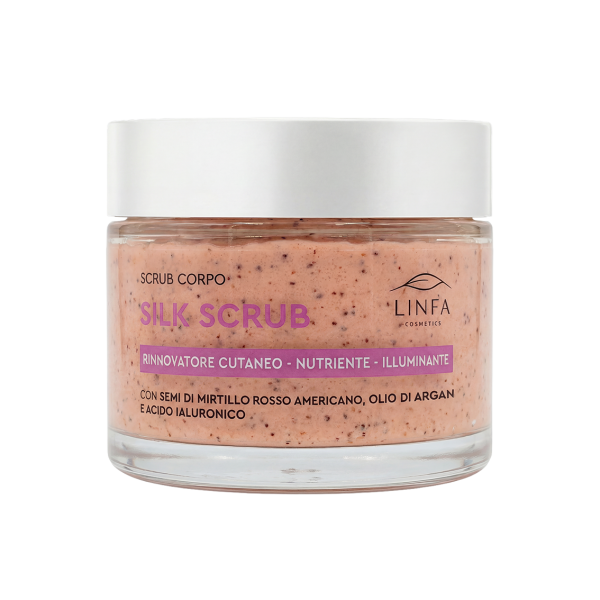
- The Silk Moisturizing Body Scrub It uses American cranberry seed powder and grapeseed oil—both sourced from the food industry—to exfoliate and nourish without leaving the skin feeling heavy.
- The’rice bran oil, rich in gamma-oryzanol and vitamin E, repairs the hydrolipid barrier and combats dryness after showering.
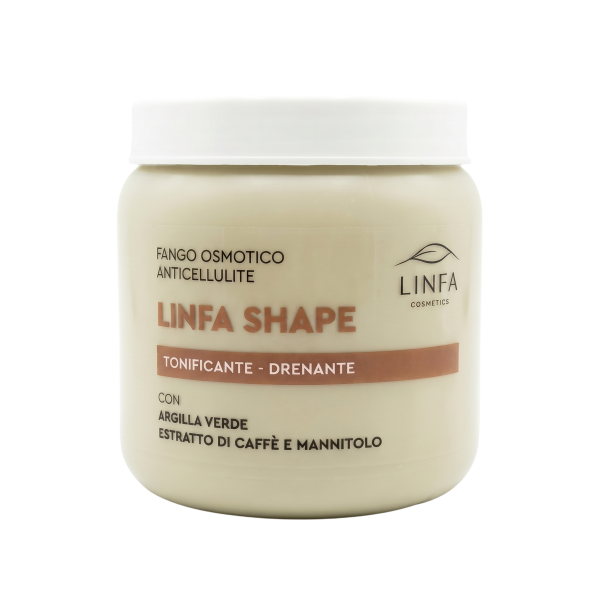
- The Osmotic Anti-Cellulite Mud It owes its comfort during application to marshmallow root, which is rich in mucilage that forms a “second botanical skin,” while clays and osmolites help drain excess moisture.
- These are real ingredients that can be verified on the label, chosen in part for their lower impact on agricultural supply chains.
Botanical Upcycling: Cranberry Seeds and Grape Seeds in the Body Scrub
Upcycling in cosmetics involves repurposing ingredients with high nutritional value that would otherwise be discarded by the food supply chain.
For the Silk Moisturizing Body Scrub We use powdered American cranberry seeds (Vaccinium macrocarpon) and high-quality grapeseed oil (Vitis vinifera), extracted from pressed grapes. The micro-granules from the seeds provide gentle yet effective mechanical exfoliation, removing dead skin cells—a principle we explore in more detail in the article on scrubs, enzymatic peels, and acids. Meanwhile, grapeseed oil releases a concentrate of polyphenols and light fatty acids that are quickly absorbed, leaving the skin nourished, supple, and non-greasy.
Marshmallow Root: The Unexpected Comfort of Anti-Cellulite Mud
Many women avoid anti-cellulite mud treatments because they dry out the skin too much or cause discomfort during application. We addressed this issue by drawing on traditional European herbal medicine.
We have expanded the Osmotic Anti-Cellulite Mud with Althaea Officinalis Root Extract (marshmallow root). This root is rich in mucilage, which, upon contact with water, transforms into a natural gel capable of creating a “botanical second skin.” Meanwhile, clays and osmolytes draw out excess fluids and help combat the appearance of cellulite—which we also discuss in the article on What Can a Cosmetic Product Do to Fight Cellulite? — Marshmallow soothes, protects, and ensures comfort throughout the treatment.
Rice Bran Oil: The Asian Secret to Supple Skin
Another key ingredient in our body scrub is Oryza Sativa Bran Oil, which is extracted from rice bran—the most valuable part of the grain.
It is a natural concentrate of gamma-oryzanol and vitamin E. Highly prized in Asian skincare, this oil repairs the hydrolipid barrier with a deeply emollient effect, making it ideal for combating dry skin after showering.
In summary
Cranberry seeds, grapeseed oil, rice bran, and marshmallow root are ingredients that combine sustainable sourcing with a specific cosmetic benefit: they gently exfoliate, nourish without weighing the skin down, and help drain while remaining comfortable during application. It’s upcycling that works because each ingredient has been chosen for what it truly does best.
Frequently Asked Questions
What's the difference between a regular exfoliant and one made with upcycled botanical ingredients?
Many commercial scrubs use microplastics or dehydrating salts. We use real powders made from red fruit seeds, which not only provide a biodegradable mechanical exfoliation but also release natural antioxidants directly onto the skin.
Can I use Osmotic Mud if I have sensitive skin?
Yes. Thanks to the presence of marshmallow root and the soothing botanical complex, the mud is formulated to drain excess fluid without causing the burning sensation or excessive dryness typical of traditional mud treatments.
What are the blueberry seeds used in body scrubs?
These are natural microgranules derived from American cranberry seeds, a byproduct recovered from the processing of the fruit. In the scrub, they act as a gentle mechanical exfoliant.
What is grapeseed oil, and where does it come from?
It is the oil extracted from grape seeds left over from the wine-making process. It is rich in antioxidant polyphenols and has a light texture that absorbs quickly.
What is rice bran oil used for?
It contains concentrated gamma-oryzanol and vitamin E, two antioxidants that support the skin's hydrolipid barrier, making them particularly effective at combating dryness after showering.
What is marshmallow root, and why is it rarely used in cosmetics?
It is a plant used in traditional European herbal medicine, rich in mucilage that forms a soothing gel when it comes into contact with water. It is less commonly used in conventional skincare than aloe or chamomile, but it is just as effective.
How often should you use a body scrub?
Once or twice a week, apply to damp skin, avoiding irritated or recently shaved areas.
Can osmotic mud be used as a bath?
Yes. As an alternative to direct application with a 30-minute treatment time, you can apply a thin layer to the body and soak in 37°C water for 15 minutes for a more relaxing drainage treatment.
Are these ingredients really more sustainable?
Yes, insofar as they recover byproducts—seeds, grape seeds, bran—that would otherwise be discarded by the food supply chains, thereby reducing waste of raw materials.