



Edited by Dr. Valeria Ascione, pharmacist.
Hyaluronic acid does not moisturize the skin: retains water. It is a humectant, that is, a molecule that attracts and binds water. Where it gets this water depends on the environment: if the air is humid, it draws it from the air; if the air is dry, it draws it from the deeper layers of the skin. In the latter case, without something to hold it on the surface, that water evaporates and the skin ends up drier than before.
This gives rise to the two rules of use that determine whether hyaluronic acid is effective or ineffective: Apply to skin that is still damp, and You always put some cream on top.
In short
- It is a humectant, not a moisturizer: it binds water, it doesn't supply it.
- It should be applied to skin that is still damp, within one minute of washing your face.
- It should always be sealed with a cream: On its own, in a dry environment, it can worsen dehydration.
- The molecular weight It depends on where it stops: the taller one stays on the surface, while the shorter one penetrates deeper.
- The commercial abbreviations for molecular weights have a rationale, but promise more than the evidence suggests.
What exactly does hyaluronic acid do for the skin?
Hyaluronic acid is a molecule that occurs naturally in the skin, where it helps keep the tissue hydrated and elastic. When applied topically, it does not replenish what is lost with age: it works on the surface, binding water and forming a film that temporarily makes the skin smoother, more supple, and visually plumper.
The effect plumping What we're talking about here is exactly that: water retained in the superficial layers. It's real, it's visible, and it's reversible. It is not a remodeling of the dermis.
This makes it an excellent ingredient for daily comfort and immediate skin appearance, rather than for long-term structural results.
Why does the effect vary depending on the humidity?
A humectant draws moisture from wherever it can find it. On a humid day, it finds it in the air. In winter, when the heat is on, or in an air-conditioned office, the air is dry, and the only available source is the deeper layers of the skin.
This is a well-known behavior in formulation, and it is the reason why humectants are never used alone: under conditions of low relative humidity, they perform much less effectively than in a humid environment, and without an occlusive agent on top, the drawn-in water migrates upward and evaporates. A well-formulated product always combines a humectant with an emollient and an occlusive ingredient.
The reason why “the serum doesn’t do anything for me”
This is the most common complaint about hyaluronic acid, and it almost always stems from two mistakes: applying it to completely dry skin and not putting anything on top of it. Under those conditions, it’s not that it doesn’t work—it’s actually working against you.
Does the molecular weight of hyaluronic acid really make a difference?
Yes, but not in the way the labels claim: the size of the molecule determines where it ends up in the skin, not “how powerful” the product is.
Hyaluronic acid molecules come in a wide range of sizes, and their size determines where they settle. Those with high molecular weight remain on the outermost layer, where they form a film that reduces water loss. Those at low molecular weight They penetrate the stratum corneum more easily and are distributed throughout the underlying layers.
| Type | Where it works | Perceived effect |
|---|---|---|
| High molecular weight | Surface, stratum corneum | Smoothing film, skin that feels smooth to the touch |
| Low molecular weight | Deeper layers of the epidermis | Less immediate but longer-lasting hydration |
| Mixtures of Multiple Weights | Distribution Across Different Levels | Valid rationale |
| Acronyms such as “4D” or “multilevel” | Trade name of a mixture | It is not a standard |
The logic behind combining multiple molecular weights in the same formula makes sense: it addresses both the immediate effect on the surface and the deeper effects. However, brand-specific designations do not correspond to an industry standard: each brand names its own blend as it sees fit, and the number does not indicate a verifiable measurement. This also applies to our products.
Based on the available data, we can say this: a formula that lists multiple types of hyaluronic acid offers broader coverage than one that uses only one type. The label doesn’t specify exactly how much broader that coverage is.
How do you use hyaluronic acid correctly?
In short: Apply it to skin that’s still damp, and always seal it in with a cream on top. The rest are just helpful details.
- On damp skin, within thirty or sixty seconds after cleansing. If your skin is already dry, lightly moisten it.
- Always with cream on top, which serves as a seal. This step is not optional: it is the key step.
- Morning and evening All right: It is one of the best-tolerated active ingredients, and there are no known contraindications related to frequency of use.
- It goes with everything, including retinol. In fact, it helps improve comfort during the adjustment period to a potent active ingredient.
We've written a dedicated guide on this last point: if you're starting to use retinol, the section on what to pair it with is in the article on How to Use Retinol Without Irritating Your Skin.
Where to find it in our products
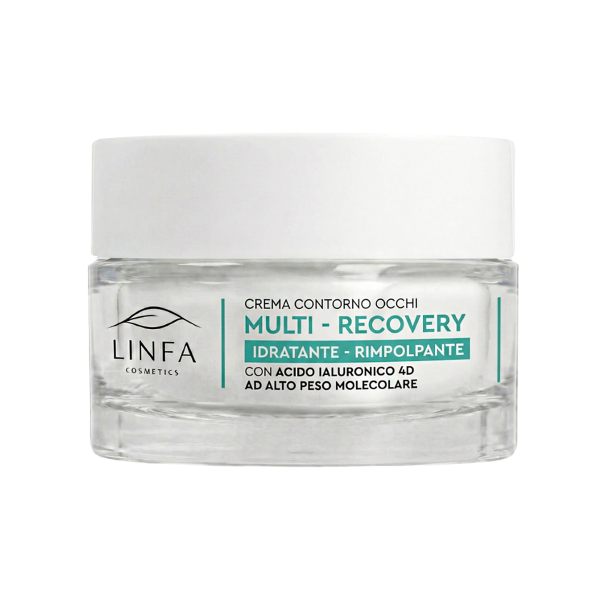
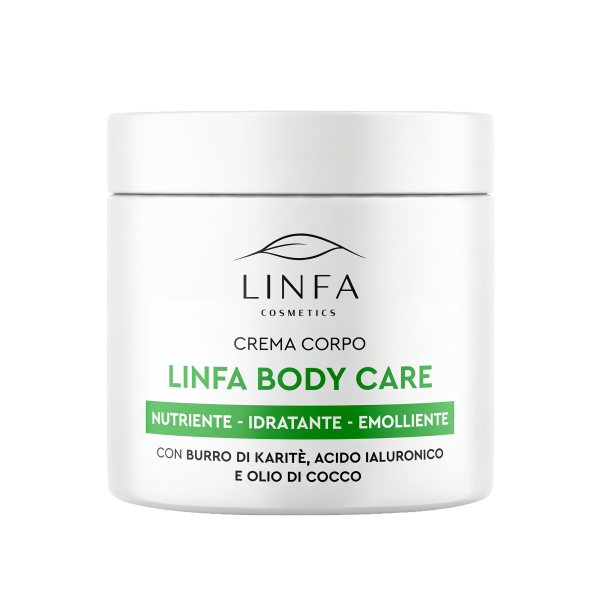
It is a versatile active ingredient, and we have formulated it for use where its benefits are most effective: around the eyes, where the thin skin benefits from an immediate smoothing effect, and in face and body treatments, where it works in conjunction with richer ingredients that help prolong its effects.
In summary
Hyaluronic acid is one of the most reliable active ingredients in cosmetics—provided you use it for what it is: a humectant, not a standalone moisturizer. Without applying cream on top, in a dry environment, the benefits can actually be reversed.
To navigate the range of products on the market, the most useful indicator isn’t the molecular weight designation but the presence of multiple types of hyaluronic acid listed alongside other ingredients that help maintain its effectiveness.
Frequently Asked Questions
Can hyaluronic acid dry out the skin?
Yes, if used incorrectly. It's a humectant: in a dry environment, it draws water from the deeper layers of the skin, and without a cream on top to lock it in, that water evaporates. When applied to damp skin and followed by a moisturizer, this isn't a problem.
Is a high or low molecular weight better?
They serve different purposes: the higher-density ones remain on the surface and smooth the skin, while the lower-density ones penetrate deeper and provide hydration that is less immediate but longer-lasting. Formulas that combine more than one of these address both aspects, and that’s the most sensible criterion for choosing them.
Do abbreviations like “4D” refer to anything specific?
They indicate that the formula uses multiple types of hyaluronic acid, but this is not an industry standard: each brand labels its own blend however it chooses. The number does not correspond to a verifiable measurement and should not be used to compare different products.
Can it be used every day, morning and night?
Yes. It is one of the best-tolerated active ingredients and can be combined with any other ingredient, including retinol and exfoliating acids. In fact, it helps improve skin comfort during the adjustment period to a harsh active ingredient.
Does the plumping effect last over time?
It is related to water retained in the superficial layers: real and visible, but reversible. It is maintained through consistent use, not a single application, and does not correspond to a structural change in the skin.
Can hyaluronic acid be used during pregnancy?
It is considered one of the safest cosmetic ingredients, even during pregnancy and breastfeeding, because it acts only on the skin’s surface. If you have any specific concerns, however, it is still best to consult your gynecologist or dermatologist before using a new product.
Should it be applied before or after vitamin C?
There’s no set order dictated by chemistry: the important thing is to apply it to skin that’s still damp and before your final moisturizer. If you also use a vitamin C serum, a practical order is vitamin C, then hyaluronic acid, then the moisturizer that seals it in.
How long does it take to see results?
The superficial plumping effect is visible almost immediately—within a few minutes if the application is followed by a cream. It is an immediate and reversible effect, unlike active ingredients such as niacinamide, which produce results over time.
Can hyaluronic acid replace moisturizer?
No. It’s a humectant, not an occlusive: on its own, it doesn’t prevent water loss. You always need to apply a cream on top—one with emollient and occlusive ingredients—to lock in the water that hyaluronic acid has drawn to the surface.
Does it have any contraindications or side effects?
It is one of the best-tolerated active ingredients, and allergic reactions are rare. The only known side effect is superficial dehydration when used in a dry environment without a moisturizer applied over it, and this is related to how it is used, not to the molecule itself.