




Edited by Dr. Valeria Ascione, pharmacist.
Le dark circles under the eyes They are a problem of color: The area under the eye appears darker than the rest of the face. The bags They are a problem of volume: The area protrudes, regardless of its color. These are two different conditions, with different causes, and they respond to different treatments.
You can have both, and that’s the most common scenario. But buying a product designed for one when you have the other is the most common reason why “nothing worked.”.
In short
- Dark circles = color. Bags under the eyes = volume. That distinction determines everything else.
- Dark circles under the eyes have three different origins — vascular, pigmentary, structural — and only the first responds well to cosmetics.
- Stock prices depend on fluid retention or from tissue relaxation. A cosmetic product has no effect on the latter.
- The finger test and the light test They'll tell you what's wrong with you in thirty seconds.
- Regarding swelling, Apply the product while it is cold It's the strategy that pays off the most—more than any single asset.
Why do dark circles and bags under the eyes appear right there?
The skin around the eyes is the thinnest on the face. Beneath it is very little supportive tissue, a network of capillaries very close to the surface, and a muscle that contracts every time you blink.
Three practical consequences. The color of what lies beneath—blood, blood vessels—shows through more easily. Pooled fluids are immediately noticeable, because there is no layer of skin to hide them. And any loss of volume due to aging becomes visible here before it does elsewhere.
What are the different types of dark circles under the eyes?
There are three types of dark circles—vascular, pigmentary, and structural—and recognizing them is the first step toward choosing a treatment that makes sense.
| Type | How to Recognize It | Response to a Cosmetic Product |
|---|---|---|
| Vascular | A bluish or purplish tint that gets worse when you're tired | Good, but temporary |
| Pigmentary | Brownish color, consistent, does not change with rest | Slow and partial |
| Structural | It's a shadow, not a color: it depends on the crease under the eye | None |
Vascular. Blood that pools in the superficial capillaries shows through the very thin skin. It worsens with fatigue, lack of sleep, alcohol, and allergies. It is the most common and the most reactive.
Pigmentary. An accumulation of melanin, often hereditary, that is more common in Mediterranean and darker skin tones. It can also be post-inflammatory in people who rub their eyes or have dermatitis in that area.
Structural. There is no pigmentation and no pooling of fluid: there is a depression caused by the bone structure or a loss of volume in the fat pad. The area is dark because it is in the shade. No cream can fill in a groove.
Two tests that last thirty seconds
The finger test: Gently stretch the skin under the eye. If the shadow fades, the cause is vascular or structural. If it remains the same, it is due to pigment.
The light test: Look at yourself in the mirror under a strong front light. If the shadow disappears, it’s structural—it was the lighting that created it. If it remains, it’s color.
What are the different types of bags?
There are two types of bags—those caused by fluid retention and those caused by tissue laxity—and only the former can truly be treated with a cosmetic procedure.
From liquids. Swelling that is present upon waking and subsides as the morning progresses. It worsens with lack of sleep, salt, alcohol, and sleeping on a flat surface. This is the type of swelling that can truly be influenced by skincare products and certain habits.
For relaxation. The septum that holds the fat pad in place loses its tone, and the fat protrudes permanently. It is visible at all times of the day and does not change after a night’s sleep. Cosmetics are of no help here: this is a matter for medicine or cosmetic surgery.
The criterion is simple: If the afternoon is like the morning, it's not water retention.
What can a cosmetic product do to combat dark circles and under-eye bags?
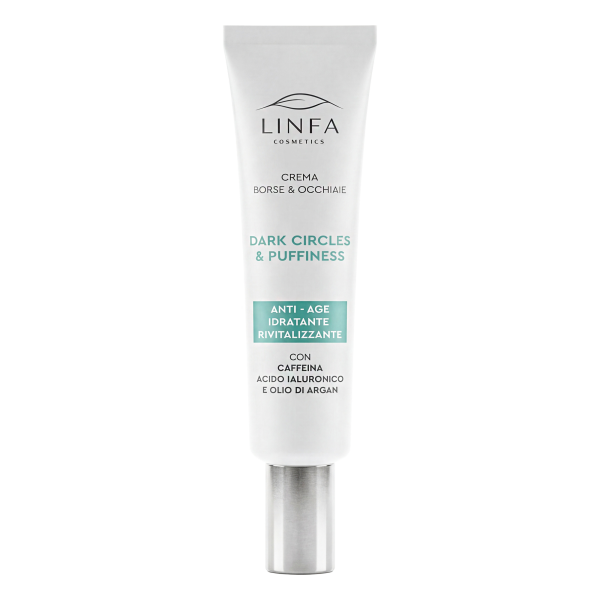
As for the fluid and vascular components, there is something real there—but it’s not spectacular, and you have to use it the right way to notice it. The caffeine It has a plausible rationale, because it temporarily constricts superficial blood vessels, but the evidence regarding its effectiveness alone is limited: in direct comparisons, a caffeine-based gel does not always outperform the same gel without caffeine by a significant margin. The perceived result improves when this is combined with the effect refreshing texture: Apply this fresh product in the morning by gently patting it in. It’s likely the combination of these elements—the cool temperature, the massage, and consistency—that makes the biggest difference, rather than any single ingredient, and it’s a routine you should repeat every day.
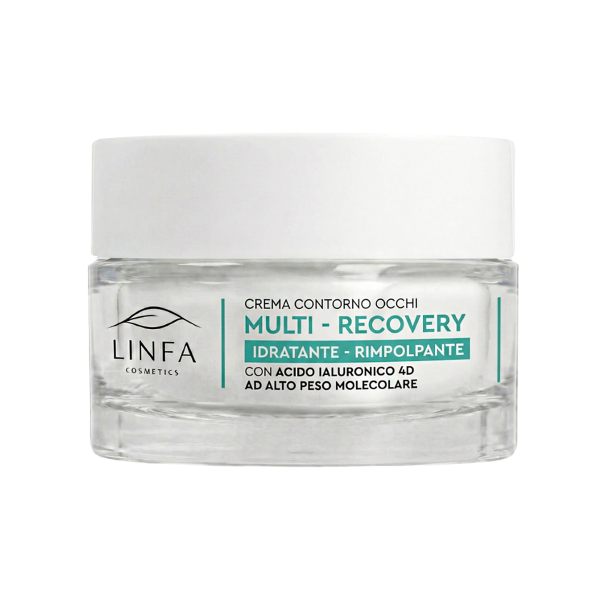
Active ingredients that even out skin tone, such as niacinamide, with a long-term process and partial results. As for the structural aspect, nothing: a good eye cream improves skin hydration and firmness, which makes the area look less marked, but does not change the crease.
We've written a separate article on what you can really expect from the most widely used asset in this area: What Does Caffeine Really Do in Cosmetics?.
Besides products, what habits can help?
When it comes to fluid retention, you can combat it even before going to bed. These steps don’t replace treatment—they make it more effective.
- Sleep with your head slightly elevated. An extra pillow reduces fluid retention in that area overnight.
- Cut back on salt in the evening. It is one of the treatments that provides the fastest and most noticeable relief from morning swelling.
- Do not rub your eyes. Repeated trauma is a common cause of post-inflammatory hyperpigmentation in this area.
- If you have allergies, treat them. Allergic congestion is a common cause of vascular dark circles under the eyes, which can often be reversed by treating the allergy.
- Sunscreen here, too. Sun exposure can worsen pigmentation and further thin skin that is already thin.
The cold is half the battle
Cold-induced vasoconstriction reduces puffiness in just a few minutes, and it is one of the most significant factors in the perceived results in this area. It’s not an alternative to treatment—it’s the correct way to use it. Keep your eye cream in the refrigerator and apply it cold—same product, different results.
When should you see a doctor?
It's not a matter for cosmetics if
The swelling appears suddenly, affects only one eye, and is accompanied by pain, redness, or vision problems. Or if it is persistent and associated with swelling in other areas—such as the hands or ankles—or with severe fatigue: in that case, it’s worth ruling out thyroid, kidney, or allergic causes.
If the bags under your eyes are clearly due to fatigue—the same in the morning and evening, regardless of how well you sleep—no cosmetic product can reduce them. Continuing to buy them is the most effective way to spend money without seeing results. A consultation with a cosmetic doctor can clarify in ten minutes what options are actually available.
In summary
First, figure out what you have: color or volume, and what type. Then make your choice. When it comes to the vascular component and fluid retention, the treatment has a real but modest effect if applied cold, in the morning, every day. For pigmentation issues, you need skin-evening active ingredients and months of consistent use. For structural issues, a cosmetic product isn’t the right solution—and knowing this will save you time.
Frequently Asked Questions
What is the difference between dark circles and under-eye bags?
Dark circles are a matter of color: the area appears darker. Puffy eyes are a matter of volume: the area bulges out. You can have both, but they have different causes and respond to different treatments.
How can I tell what type of dark circles I have?
With two quick steps: pull the skin under your eye taut, and if the shadow fades, it’s vascular or structural; shine a light on your face from the front, and if the shadow disappears, it’s structural—that is, it’s caused by a depression rather than pigmentation.
Do dark circle creams work?
It depends on the type. For swelling and the vascular component, the effect is real but limited; it must be reapplied daily, and it varies greatly depending on how you apply the product. For the pigmentary component, consistent use over several weeks is required. As for the structural component, no formula has any effect.
Why do I only have dark circles under my eyes in the morning?
Because they’re caused by fluid retention: overnight, when you’re lying down, fluid accumulates in that area and is reabsorbed throughout the morning. This condition is influenced by sleep, salt, alcohol, and the position in which you sleep.
Does lack of sleep cause dark circles under the eyes?
It can worsen vascular and fluid-related swelling because it promotes fluid retention and superficial vasodilation. However, it does not cause pigmentary or structural wrinkles, which are determined by melanin and skin structure and remain unchanged even after a full night’s sleep.
Why is it a good idea to keep eye cream in the refrigerator?
This is because cold has a vasoconstrictive effect of its own, which reduces swelling within minutes. Applying the product while it’s already cool combines these two effects and is probably the single factor that makes the biggest difference in the perceived result.
When should I see a doctor?
If the swelling appears suddenly, affects only one eye, or is accompanied by pain, redness, or vision problems. Also, if it is persistent and associated with other types of swelling or severe fatigue: in that case, it’s worth ruling out thyroid, kidney, or allergic causes.
Are dark circles under the eyes hereditary?
The pigmentary component often does: a more pronounced accumulation of melanin is common in families with Mediterranean or darker skin tones, regardless of sleep patterns or lifestyle. The structural component may follow bone structure, which is also partly hereditary.
Can concealer hide dark circles?
Yes, and it's often the quickest solution: a concealer with the right undertone—peach or orange for a bluish tint, yellow for a brownish one—covers the color in just a few seconds, but it doesn't address the underlying cause.
Do dietary supplements help with dark circles under the eyes?
There is no solid evidence that a supplement alone can eliminate dark circles or under-eye bags. When they do have an effect, it is through indirect effects on circulation or overall hydration, not on the specific cause of the condition around the eyes.
Is caffeine in cosmetics really effective against dark circles?
It has a scientific basis—it temporarily constricts blood vessels—but the evidence regarding its effectiveness on its own is limited: in direct comparisons, a caffeine-based gel has not always shown significantly better results than the same gel without caffeine. It works best when combined with cold and applied consistently.