




Edited by Dr. Valeria Ascione, pharmacist.
If your skin feels tight, flaky, or itchy after a shower, the problem is very often in the shower itself, not in the cream. Very hot water, prolonged exposure, and foaming cleansers remove the lipids that help retain water in the stratum corneum, and no product applied afterward can fully compensate for that loss.
The single change with the highest return is also the simplest: Apply moisturizer within the first few minutes after showering—roughly within three minutes—while your skin is still damp.. Same product, different effect.
In short
- Dry skin and dehydrated skin are not the same thing: The first one lacks lipids, and the second one lacks water.
- Lukewarm water, short showers, non-foaming cleansers: this is where you make or break it.
- The cream should be applied on damp skin, in the first few minutes after a shower. That's the detail that changes the most.
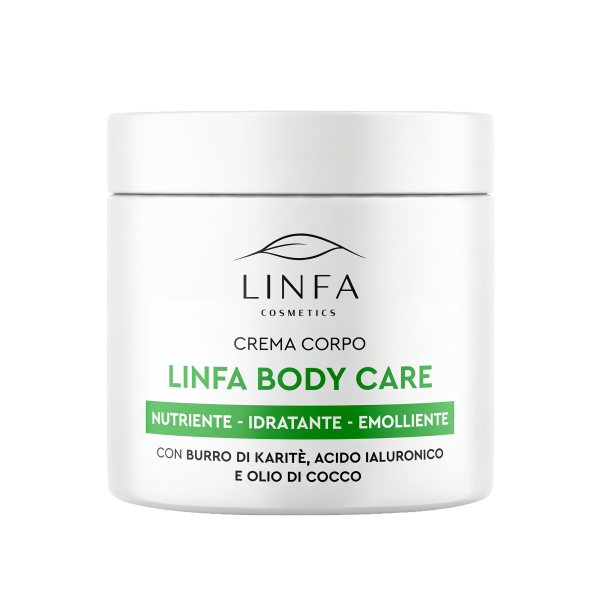
- A good body care product combines humectants, emollients, and occlusives: One isn't enough.
- Intense itching, lesions, patches, or sudden dryness: That's a matter for a doctor, not a cosmetic.
What's the difference between dry skin and dehydrated skin?
These are two different conditions: dry skin lacks lipids, which is a constitutional trait; dehydrated skin lacks water, which is a temporary condition. The distinction may seem subtle, but it determines which product to choose.
La dry skin It is typically more pronounced on the legs, arms, and back. It feels rough and dull to the touch, tends to flake, and is often present from birth.
La dehydrated skin This can happen even to skin that isn't normally dry, and it depends on the season, heating, air conditioning, and how you wash your face. It feels tight, but it doesn't necessarily flake.
Many people have both, which is why a product that works on only one front is disappointing.
| Type | What does it do? | Examples |
|---|---|---|
| Humectants | They attract and retain water | Hyaluronic acid, glycerin, urea |
| Emollients | They fill the spaces between cells and soften them | Shea butter, vegetable oils |
| Occlusives | They form a film that reduces evaporation | Waxes, denser butters |
| A comprehensive formula | He does all three | That is the selection criterion |
There’s one thing worth knowing about humectants, because it explains why so many attempts fail: on their own, in a dry environment, they can actually make things worse. We discussed this in the article on How Hyaluronic Acid Really Works. In short: a humectant needs something on top of it to hold the water it draws in.
What should you change in the shower to protect dry skin?
Just a few simple precautions are all it takes to ensure the cream’s effectiveness isn’t undermined: temperature, duration, and the type of cleanser matter more than the product itself.
- Lukewarm water, not hot. Heat dissolves the skin's lipids. A hot shower in the winter is pleasant but takes a toll on the skin's barrier.
- Five or ten minutes. Taking a longer shower generally results in more skin lipids being washed away, not greater cleanliness.
- A gentle, low-foaming detergent. Abundant foam is often a sign of more aggressive surfactants.
- Don't lather your whole body every time. There are only a few areas that really need it: water is often enough for the legs and arms.
- Dab gently; do not rub. And above all leaves the skin slightly damp: This is the prerequisite for the next step.
The Three-Minute Rule
Applying moisturizer within the first few minutes after getting out of the shower—roughly within three minutes—while your skin is still damp allows the product to lock in the moisture already present on the skin’s surface instead of having to draw it in. This is often the difference between a cream that seems to work and the same cream that seems to do nothing. It costs nothing, and it’s one of the most useful tips in this article.
Should you exfoliate dry skin on your body?
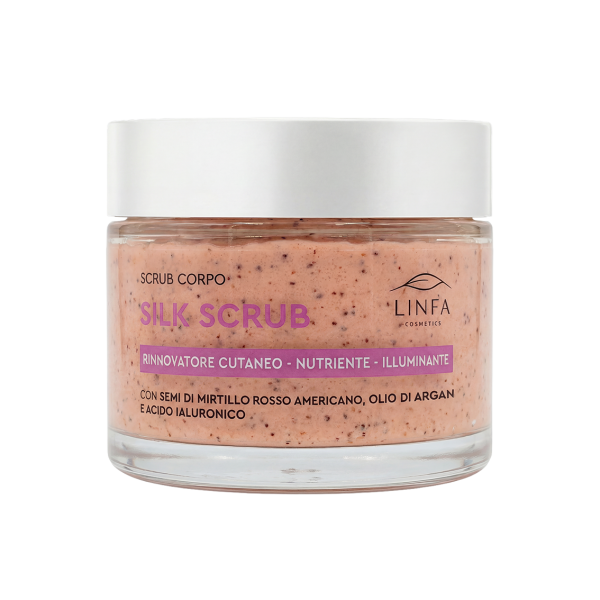
Yes, but in moderation: a gentle exfoliation once or twice a week It helps remove dead skin cells that make the skin's surface rough and prevent the cream from being absorbed.
The risk is overdoing it: on an already weakened skin barrier, exfoliating more often tends to worsen dryness rather than fix it. Never exfoliate on irritated skin, never immediately after hair removal, and always follow up with a moisturizer. For guidance on how to choose the right method, see the guide at scrubs, enzymatic peels, and acids.
Which areas of the body require the most attention?
Some areas dry out sooner and more than others, and they require a specific product or texture.
- Legs and shins. Very few sebaceous glands: this is the area that flakes first and needs the most product.
- Elbows and knees. Thicker leather that is subjected to continuous bending. In this case, a richer texture makes sense.
- Hands. Frequent washing and harsh detergents: They need to be rehydrated several times a day, not just once.
- Feet. If your skin is very dry and cracks appear, it’s no longer just a matter of using cream—you should see a doctor.
When should dry skin be a reason to see a doctor?
See a doctor if
The itching is intense or occurs at night. Reddened patches, thick scales, lesions, or areas that bleed appear. The dryness appeared suddenly without any change in habits. It does not improve after a few weeks of following the proper routine. Or it is accompanied by other general symptoms, such as fatigue or sensitivity to cold.
Severe dryness may be caused by atopic dermatitis, psoriasis, thyroid disorders, side effects of medications, or nutritional deficiencies. These conditions require a proper diagnosis; applying a cream on top of the affected area will, at best, provide temporary relief.
The reverse is also true: many people live with itching for years, considering it normal, when in fact it can be resolved in just a few weeks with the right treatment.
In summary
In just a few minutes of making a few simple changes—lukewarm water, a short shower, a gentle cleanser, and applying moisturizer while your skin is still damp—you’ll achieve more than you would by simply switching products. Then there’s the formula: what matters is that it contains all three families of ingredients, not whether a single active ingredient sounds good on the label.
If, despite everything, your skin itches or becomes irritated, the next step is to see a doctor—not to use a larger jar.
Frequently Asked Questions
What is the difference between dry skin and dehydrated skin?
Dry skin lacks lipids: it is a constitutional trait, often present from birth, characterized by a rough surface and flaking. Dehydrated skin lacks water: it is a temporary condition linked to the season, heating, and cleansing habits. It is possible to have both at the same time.
When should you apply body lotion?
Apply it within the first few minutes after showering—roughly within three minutes—while your skin is still damp. This way, the product locks in the moisture already on the skin’s surface instead of having to draw it out. This small change often makes the biggest difference in the results, even when using the same product.
Are hot showers bad for dry skin?
Yes, generally speaking: heat dissolves the skin lipids that retain water in the stratum corneum, and the longer the shower lasts, the more pronounced the washing away tends to be. Lukewarm water and five to ten minutes are sufficient.
Should I exfoliate my body if I have dry skin?
Yes, but only once or twice a week and gently: the buildup of dead skin cells makes the skin’s surface rough and hinders the absorption of the cream. Exfoliating more often on an already weakened skin barrier can worsen dryness. Always moisturize immediately afterward.
Why do your legs get drier than the rest of your body?
This is because they have very few sebaceous glands compared to other areas, so they produce fewer protective lipids. That’s why the shins and legs are the first to become flaky and require more product and more consistent care.
When should you see a doctor for dry skin?
If the itching is severe or occurs at night, if plaques, thick scales, lesions, or fissures appear, or if the dryness has come on suddenly or does not improve after a few weeks of proper care. This may be due to atopic dermatitis, psoriasis, thyroid disorders, or side effects from medications.
Does drinking more water help with dry skin on the body?
It helps maintain the body’s overall hydration, but on its own it is not enough to resolve dry skin, which is primarily caused by the loss of lipids due to harsh cleansing and environmental factors: you still need to use the right shower products and moisturizer.
Is oil a good substitute for body lotion?
A pure oil is emollient but does not contain humectants such as hyaluronic acid or glycerin: on its own, it provides less hydration than a complete formula. It works best when applied over moisturizer to lock in moisture.
Does winter weather make dry skin worse?
Yes: Cold outdoor air and indoor heating reduce humidity and cause the skin to lose moisture, which is why dryness tends to get worse during the colder months.
Do you need a different cream for your face and body?
Generally speaking, yes: different parts of the body have different thicknesses and surface areas than the face, and body formulas are designed to cover larger areas, often with a higher percentage of emollients and occlusive agents than face creams.
Is Marseille soap good for dry skin?
It depends on the formula: traditional soaps with strong degreasing properties can further dry out skin that is already dry. It’s best to choose a syndet cleanser or, at any rate, a low-foaming cleanser designed not to disrupt the hydrolipidic film.