




Edited by Dr. Valeria Ascione, pharmacist.
The order is always the same, and it applies at any age: from the lightest to the richest texture. Cleansing, serum, eye cream, moisturizer, and sunscreen in the morning as the final step. This isn’t just a beauty convention: a thick formula creates a film that slows down the absorption of the water-based product applied afterward.
After age 40, the difference isn't in the number of products; it lies in just two additions: an employee working on renovation in the evening, and the Sunscreen Every Day, not just in the summer. The rest is maintenance.
In short
- The correct order is from the lightest to the richest: Serum first, cream second.
- An effective routine is based on four products, not ten.
- La daily sun protection It is one of the interventions with the best cost-effectiveness ratio.
- After age 40, the skin tends to be drier: Assets should be listed side by side, not added together.
- Consistency matters more than complexity. A routine that you skip three nights out of seven doesn't work.
In what order should skincare products be applied?
Apply the products from lightest to richest: cleanser, serum, eye cream, moisturizer, and in the morning, sunscreen as the final step.
Every product has a consistency, and that consistency determines what can penetrate what. A water-based serum applied over a rich cream remains mostly on the surface: the cream’s lipid film acts as a barrier. Hence the sequence.
| Passage | Morning | Evening |
|---|---|---|
| 1. Cleansing | Gentle—even just water if your skin is dry | Always, to remove makeup and residue |
| 2. Serum | Moisturizer or Antioxidant | Renewal Fund |
| 3. Eye Contour | If you need a decongestant effect | A more nourishing treatment |
| 4. Cream | Lightweight, it builds on the previous steps | More nutritious |
| 5. SPF | Always, last | It's not necessary |
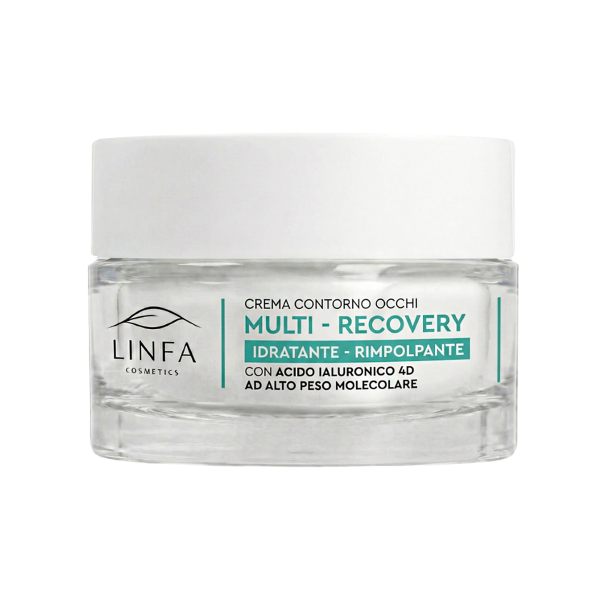
Two practical tips. You don’t need to wait between steps—just give it a few seconds for the product to absorb. And applying it around the eyes isn’t mandatory: if your face cream is gentle, applying it around the eyes is better than skipping that area altogether.
What changes happen to the skin after age 40?
The order doesn't change. Three things change in the skin, and each one suggests an adjustment.
The pace of renewal tends to slow down. Surface cells accumulate over time, and the complexion may become less even. This is one of the reasons why a skin-renewing active ingredient—typically a retinoid—is incorporated into the evening skincare routine.
The skin tends to retain less water. A texture that seemed perfect when you were thirty may no longer be enough. That doesn’t mean switching to a heavy cream—it means not skipping the moisturizing step and applying the serum while your skin is still damp.
The damage caused by the sun may become more visible. Dark spots, uneven texture, loss of firmness: some of what is referred to as skin aging is associated with repeated sun exposure over time (photoaging). That’s why using SPF daily is one of the skincare routines that offers the best balance between effort and results.
If I had to choose just one thing
Use sunscreen every day—even in winter and even at the office. It’s one of the few steps in your routine that addresses the cause rather than the effect. An expensive serum applied to unprotected skin has to work against the odds.
What's the minimum routine that works after age 40?
Four products, two steps. If you add more, do so because you need them, not because a routine has to be long.
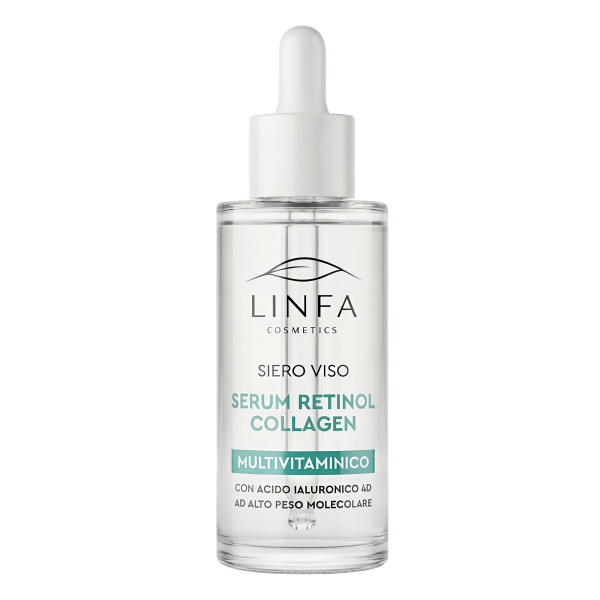
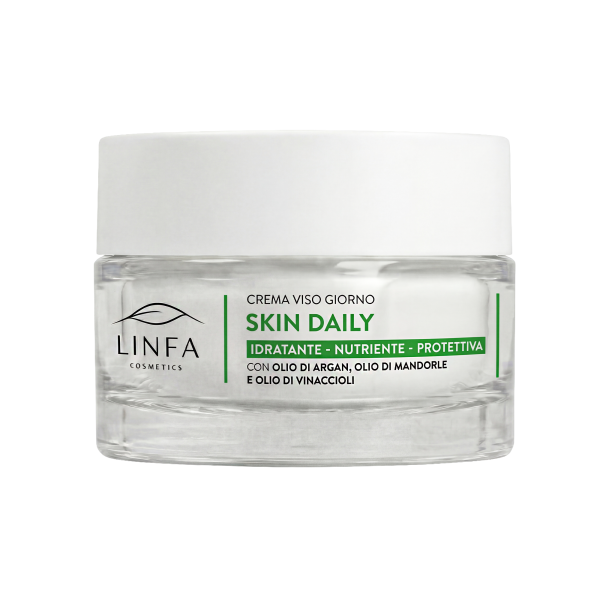
Morning: gentle cleanser, moisturizing serum, light cream, sunscreen.
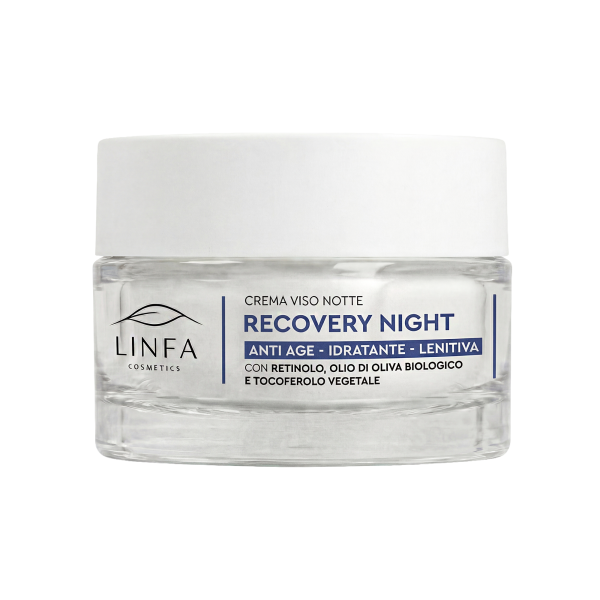
Evening: cleansing, skin-renewing active ingredient, more nourishing cream.
Why should active ingredients be introduced one at a time?
Because combining multiple active ingredients increases the risk of irritating skin that has yet to adapt to each of them, and at that point, it may react poorly even to ingredients that were previously well-tolerated.
It’s the most costly mistake you can make at this stage: you read that after age 40 you need retinol, vitamin C, acids, and peptides, so you buy them all and start using them that very same month.
There's only one rule: one aggressive asset at a time, allowing for several weeks of adjustment before adding the next one. The detailed protocol for retinol is in the article on How to use it without irritating the skin, and the same logic applies to any other asset.
Exfoliation also counts: if you're introducing a retinoid, that's your active ingredient for that phase. How and how often to exfoliate is explained in the guide on scrubs, enzymatic peels, and acids.
Which products can be removed from your routine?
Many long routines include steps that aren't harmful but don't add anything, and every extra step is one more reason to skip the routine when you're tired.
- The Tonic, if the cleanser is gentle. It was developed as a remedy for harsh cleansing.
- Multiple Serums in the same product: the active ingredients compete for space, increasing the risk of irritation.
- Common Masks: Once a week is usually enough.
- Duplicate “anti-aging” products: If the serum and the cream contain the same active ingredient, one is enough.
How do you put these guidelines into practice every day?
From the lightest to the richest: sunscreen every morning, a skin-renewing treatment at night, and only one potent treatment at a time. Four products used every day are more effective than ten used intermittently.
If, after a few weeks, your skin feels tight or is red, the first step is to remove a product, not add another one.
Frequently Asked Questions
In what order should the products be applied?
Start with the lightest product and work your way up to the thickest: cleanser, serum, eye cream (if using), moisturizer, and, in the morning, sunscreen last. Reversing the order—for example, applying the moisturizer before the serum—is a common mistake that reduces the effectiveness of the lighter products.
How many products do you really need after 40?
Four basics are enough: cleanser, serum, moisturizer, and sunscreen, plus a skin-renewing treatment at night. An eye cream is helpful but not essential; consistency matters more than the number of steps.
Do you need to wait between products?
No, the few seconds it takes for the product to spread are enough. Waiting several minutes between applications doesn't seem necessary and makes the routine harder to stick to.
Do you need sunscreen even in the winter?
Yes: UVA rays penetrate clouds and glass, so exposure accumulates even without direct sunlight. It’s one of the routine practices that offers the best balance between effort and long-term benefits.
Can I use retinol and vitamin C together?
Yes, but use them at different times: vitamin C in the morning, retinol in the evening. Don’t introduce them in the same week: the risk isn’t chemical; it’s the combination of two potential irritants on skin that’s still adjusting.
Is eye cream essential?
No. If your face cream is gentle, it’s better to apply it around your eyes as well than to leave that area untreated. A specialized product makes sense if you have a specific need, such as puffiness when you wake up or particularly thin skin.
When is the best time to start using retinol?
There is no set age: skin responsiveness matters more than age. Many people start using it between the ages of 30 and 40, always gradually and monitoring their skin’s tolerance during the first few weeks.
Can vitamin C replace sunscreen?
No. Vitamin C has antioxidant properties that complement sunscreen, but it does not replace it: SPF products are formulated and tested to filter UV rays, whereas vitamin C is not.
Should you change your routine when the season changes?
Not necessarily everything: often, all you need to do is switch to a richer cream during the colder months or a lighter one in the summer, while keeping your cleanser, nighttime treatment, and sunscreen the same.
How long does it take to see results from a new routine?
It generally takes a few weeks to see the first signs of improvement and two or three months for a reliable assessment, especially with active ingredients like retinol, which gradually affect cell turnover.