




Edited by Dr. Valeria Ascione, pharmacist.
If you have combination skin and it starts to look shiny within a few hours, the problem is almost never that you aren't cleansing it enough. It's the opposite: Harsh cleansers, strong mattifying products, and a lack of hydration can cause the skin to produce more sebum, no less.
The routine that works for this skin type is gentler than you might think: a non-stripping cleanser, light but effective moisturization, and a single targeted active ingredient applied exactly where it’s needed.
In short
- Combination skin means different areas: Oily T-zone, normal or dry cheeks. It doesn't apply evenly.
- Degreasing is counterproductive: A weakened skin barrier can lead to increased sebum production and more breakouts.
- Don't skip the moisturizer. Shiny doesn't mean hydrated: often, it's both oily and dehydrated.
- Just one targeted asset, applied only where needed, instead of using a strong product all over the face.
- La sun protection It also comes in lightweight textures: skipping it isn't an option.
Why does degreasing combination skin make it shinier?
Because it removes the hydrolipidic film that protects the skin: without that barrier, the skin can lose water more quickly and tend to compensate by producing more sebum, triggering a cycle that worsens over time.
The sequence is almost always the same. The skin is shiny, so you switch to a stronger cleanser. After washing, the skin feels tight and “clean”—a sensation that is interpreted as confirmation. In the hours that follow, the shine returns, often worse than before. You increase the frequency of washing, or switch to an even more aggressive product.
What happened is that the hydrolipid film was removed. As a result, the weakened barrier becomes more reactive, and skin imperfections may increase rather than decrease.
The feeling of “tight skin” isn’t a sign of cleanliness
This is a sign that the cleanser has stripped away even the oils your skin needs. After cleansing, your skin should feel comfortable, not tight. If it feels tight, the product is probably too harsh for you, no matter how oily your skin is.
Why can oily skin also be dehydrated?
This is because sebum is a lipid: it protects the surface but does not contain water. Therefore, the skin can appear shiny on the surface while being dehydrated in the underlying layers at the same time.
It’s this misconception that leads people to skip their moisturizer, and it’s what keeps the cycle going. You can recognize it by a seemingly contradictory combination: a shiny appearance, along with a feeling of tightness, slight flaking, and makeup that doesn’t stay on well.
In that case, the moisturizer doesn't make the shine worse—it actually tends to reduce it, because it takes away one of the reasons the skin has to compensate.
How do you care for the different areas of the face if you have combination skin?
The principle is to treat each area according to its specific needs, rather than applying the product designed for the most problematic area to every area.
| Area | What You'll Need | What to Avoid |
|---|---|---|
| T-Zone (forehead, nose, chin) | Targeted active ingredient, lightweight texture | Repeated applications throughout the day |
| Cheeks | Hydration, sometimes more intense | Matting or astringent products |
| Eye Contour | Gentle, Targeted Treatment | Any product for blemish-prone skin |
| The entire face | Gentle cleanser, light SPF | One powerful product that works everywhere |
In practice, this means: apply moisturizer all over your face, and use a specific treatment only where needed. Not the other way around.
What is the right step-by-step skincare routine for combination skin?
Morning: gentle cleansing, light moisturizer, sunscreen.
Evening: cleansing, a targeted treatment for the T-zone if needed, and a moisturizer suitable for your skin type.
The order remains the same as usual, from the simplest to the most complex: if you need a complete review, you'll find it in the article on the order of the products in the routine.
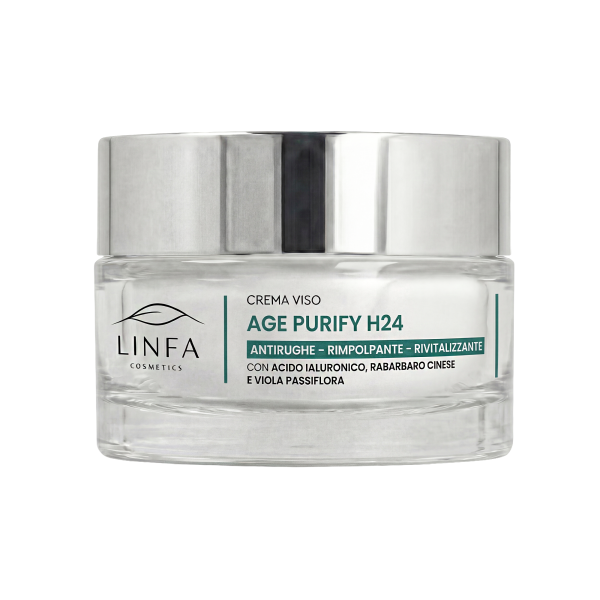
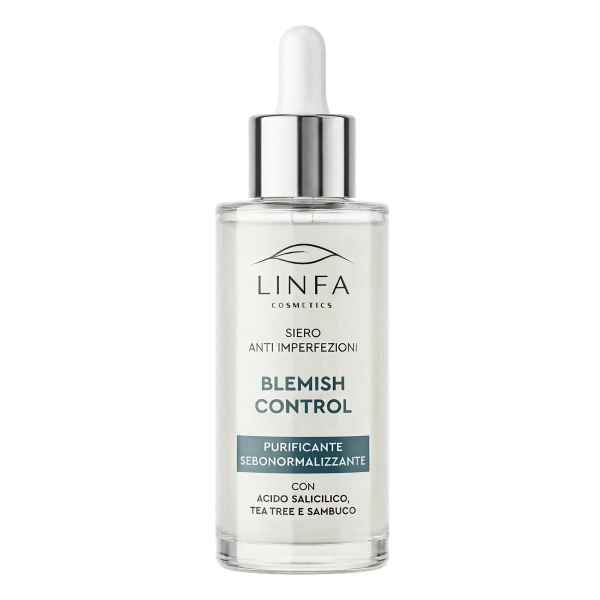
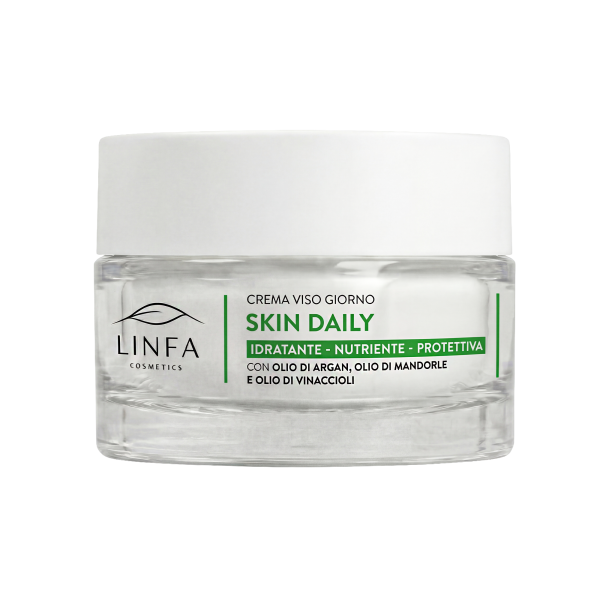
How do you use salicylic acid on combination skin?
Apply it only to the T-zone, using the lowest effective concentration—not the highest concentration your skin can tolerate. BHA is the most effective active ingredient for this skin type: because it is fat-soluble, it penetrates the pores, where sebum accumulates.
The problem is the amount. When used every day all over the face—on skin that is combination but not oily everywhere—it produces exactly the effect you wanted to avoid: dry cheeks, a weakened skin barrier, and a T-zone that overcompensates.
The same goes for exfoliation: once or twice a week, using just one method. To learn how to choose the right one, see the guide at scrubs, enzymatic peels, and acids.
What mistakes should you avoid if you have combination skin?
These are common mistakes, often caused by the desire to control shine faster than the skin can keep up.
- Washing your face more than twice a day. Washing more frequently does not remove sebum more effectively; it risks weakening the skin's protective barrier.
- Using paper towels all the time and then apply another mattifying product on top.
- Skipping Moisturizer because “my skin is already oily.”.
- Change products every two weeks. With this type of skin, it takes about a month to assess any changes.
- Treat a shiny T-zone as if it were acne. They are two different things, and products designed for acne on combination skin alone can do more harm than good.
How do you actually set up this routine?
Combination skin is best cared for by reducing harshness, not adding it. Gentle cleansing, moisturizing even in shiny areas, a targeted active ingredient only on the T-zone, and light sunscreen every morning.
It may seem like a minimal routine compared to previous habits, but it is precisely this gentler approach that breaks the cycle of excessive sebum production.
Frequently Asked Questions
If I have oily skin, should I use moisturizer?
Yes. Sebum protects the skin’s surface but doesn’t moisturize the underlying layers, so skipping your moisturizer won’t fix the shine—it often makes it worse, because the skin keeps trying to compensate by producing more sebum.
How many times a day should I wash my face?
Twice a day—morning and evening—using a mild cleanser. A third wash rarely makes your skin any cleaner; more often than not, it can weaken the skin’s protective barrier and cause your skin to become shiny in the hours that follow.
How can I tell if I have combination or oily skin?
In combination skin, oiliness is concentrated on the forehead, nose, and chin, while the cheeks are normal or tend to be dry. If the entire face is uniformly shiny, it is more accurately described as oily skin.
Can salicylic acid be used every day?
It depends on the formula and your skin's tolerance, but for combination skin, it's best to start with just a few applications a week—only on the T-zone—and gradually increase from there; don't apply it every day all over your face.
Does sunscreen reduce shine?
It depends on the texture. There are lightweight formulas with a matte finish designed specifically for combination and oily skin. Skipping SPF to avoid a shiny appearance is a bad trade-off in the long run.
How long does it take to see results from changing your routine?
It takes about a month to see results. During the first two weeks, your skin may look the same or slightly worse as it readjusts to a less harsh cleansing routine.
Does matte makeup make combination skin worse?
If used in excess, yes: many matte formulas contain powders that absorb sebum but can dry out the skin if applied frequently, causing it to produce even more. It’s best to choose gentle matte finishes and always remove your makeup at the end of the day.
Do you need a specific serum for combination skin?
It's not essential: often, a light moisturizer applied all over the face and a targeted active ingredient just on the T-zone are enough. Adding a serum makes sense if it serves a specific purpose, not just to complete your routine.
Does combination skin change with the seasons?
Yes, it’s common for the T-zone to be oilier in the summer and the cheeks to be drier in the winter. You can adjust your routine by changing the texture of your moisturizer, while keeping your cleanser and targeted treatment the same.
Do ice and astringent toners reduce shine long-term?
The effect is temporary, lasting only a few minutes after application, and does not appear to cause any lasting change in sebum production. If used frequently, an astringent toner can dry out the skin and fuel the same compensatory cycle.