




Edited by Dr. Valeria Ascione, pharmacist.
If you have the combination or oily skin and if you're looking for an immediate effect on the texture, you need one mechanical scrub. If you have the sensitive, dry, or reactive skin, you need a enzymatic peel, which operates without abrasion. The acids These are the most intense step: they're effective, but should be introduced one at a time and never together with the rest.
In all three cases, the same basic rule applies: once or twice a week This is the most accurate recommended frequency. Daily exfoliation does not speed up the skin renewal process and, over time, can weaken the skin barrier.
In short
- Scrub: Mechanical exfoliation with microgranules. Immediate results; suitable for non-reactive skin.
- Enzyme peel: Enzymes that break down dead skin cells without scrubbing. The gentlest option.
- Acids (AHAs and BHAs): They break the bonds between cells. It is the most effective—and the most demanding.
- 1-2 times a week For everyone, as a starting point. It's not something you should do every day.
- Evita two different exfoliants during the same week, and do not exfoliate on irritated or freshly shaved skin.
How do scrubs, enzymatic peels, and acids work?
Each one works through a different mechanism: friction, enzymatic digestion, or a chemical reaction affecting cellular bonds. The perceived result is similar, but the gentleness and intended use vary greatly.
The outermost layer of the skin renews itself: dead cells shed naturally. Exfoliation is meant to support that process when it slows down, not to replace it. It changes the way you do it.
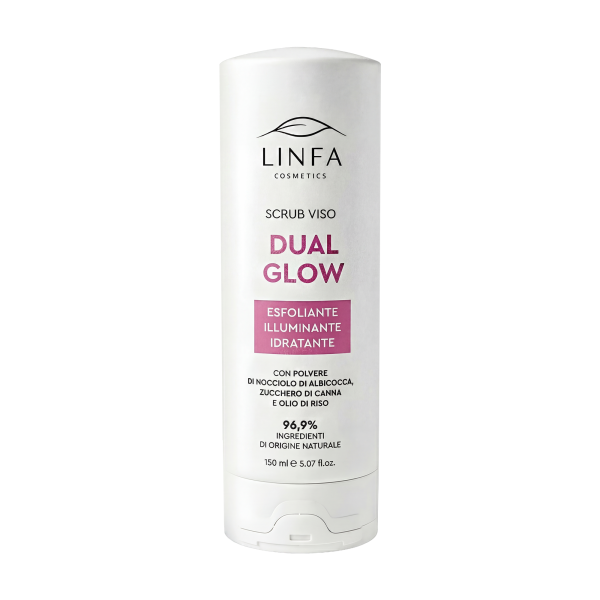
The Scrub It works through friction. Microgranules of sugar, bamboo, or ground seeds or shells mechanically remove surface cells as you massage. The effect is immediate and noticeable to the touch. The downside is that you’re the one who determines the pressure, and if it’s too much, you can go from exfoliation to micro-injuries.
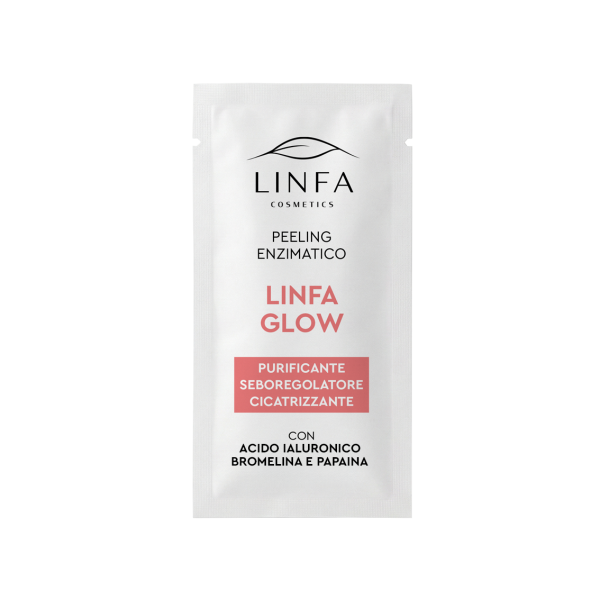
Enzyme Peel It works by breaking down proteins. Enzymes such as bromelain and papain, extracted from pineapple and papaya, break down the proteins that hold dead skin cells together. There’s no scrubbing involved: just apply it, let it sit, then rinse it off. This is why it’s often recommended for skin that tends to become red when using scrubs.
Acids They chemically act on the bonds between keratinocytes. AHAs, such as glycolic acid, work on the skin’s surface and improve skin tone; BHAs, specifically salicylic acid, are fat-soluble and penetrate deep into the pores, which is why they are often preferred for blemish-prone skin.
Which exfoliant should you choose based on your skin type?
The choice depends on your skin type and your goal, not on how “powerful” the product sounds. The chart helps you make an informed choice based on texture, sensitivity, and the specific skin concern you’re addressing.
| Method | Suitable for | Avoid if |
|---|---|---|
| Mechanical Scrub | Combination, oily, thick, or uneven-textured skin | Do you have rosacea, inflamed acne, or sensitive skin? |
| Enzyme Peel | Sensitive, dry, thin, or easily reddened skin | Are you looking for an immediate mechanical effect? |
| AHA Acids | Dull complexion, superficial blemishes, texture | Are you already using a retinoid, or do you have a compromised skin barrier? |
| Salicylic acid (BHA) | Clogged pores, blackheads, blemished skin | Do you have dry or dehydrated skin? |
There is no hierarchy of effectiveness among the three methods: an enzyme peel is not “less effective” than a scrub; it simply works differently. The right choice depends on how your skin reacts.
How often should you exfoliate your skin?
For most skin types, one or two applications per week are sufficient: doing more than that does not provide any documented additional benefits and may increase the risk of irritation.
- Once or twice a week For scrubs and enzymatic peels. On sensitive skin, use once.
- Follow the product instructions for acids, and when starting out, it's best to begin with twice a week.
- Avoid using two different methods in the same week. Scrubbing on Mondays and using acids on Thursdays isn't a complete routine—it's double exfoliation.
How to Tell If You're Exfoliating Too Much
Unnaturally shiny skin, a feeling of tightness, a burning sensation when applying your usual products, redness that appears for no reason, and sometimes more blemishes than before. If this sounds familiar, the solution isn’t to exfoliate more to “clean better”—it’s to take a break for two or three weeks and use only a gentle cleanser and moisturizer.
What are the most common mistakes to avoid when exfoliating?
The most common mistakes involve the amount of pressure applied, using the product at the wrong time, and combining it with other active ingredients. These mistakes are easy to correct once they are identified.
- Press. The scrub works with the granules, not with force. Light circular motions for thirty seconds—that's all it takes.
- Exfoliating on Irritated Skin, with inflamed acne or after intense sun exposure.
- Using facial exfoliants on the body or intimate areas. The formulations and tolerances vary: they should never be used on the intimate area.
- Combining Exfoliation and Retinoids during the same phase, especially in the first few weeks after introduction.
- Skip the moisturizer afterward. Exfoliation makes the skin more receptive: this is when a moisturizer is most effective.
Regarding the second-to-last point, if you're starting to use retinol, the complete protocol is in the article on How to Use Retinol Without Irritating Your Skin. The short rule: one aggressive asset at a time.
What to Expect (and What Not to Expect) from Exfoliation?
The immediate effect is real: your skin feels smoother to the touch and your complexion is more even starting with the very first application, because the layer of dead skin cells that made your skin look dull is gone.
What you shouldn’t expect is a structural change. Exfoliation improves the skin’s surface appearance and helps the skin absorb products applied afterward, but it does not appear to alter sebum production or eliminate scars; as for wrinkles, its effect is limited to smoothing the surface, not reducing their depth.
How can all of this be put into practice, in a nutshell?
Find the right method for your skin type, use it consistently as often as recommended, and always apply moisturizer immediately afterward. If you notice any of the signs of overuse described above, take a break for a few weeks before resuming.
If you're unsure which one to try first, an enzyme peel is the safest option to start with: if your skin tolerates it well, you can then consider a scrub. The reverse order is less advisable.
Frequently Asked Questions
What is the difference between a scrub and an enzymatic peel?
The first removes dead skin cells through mechanical friction during the massage, while the second breaks them down enzymatically without any abrasive contact. Basically, if your skin reddens easily when using exfoliating granules, an enzyme peel is the alternative worth trying.
How often should you exfoliate your face?
Generally, once or twice a week is enough for most skin types. For sensitive skin, it’s best to start with just one application and monitor your skin’s reaction over the next few days before increasing the frequency.
Can I use scrubs and acids in the same week?
It is not recommended: combining two different exfoliation methods increases the stress on the skin barrier, even if they are applied on separate days. It is better to choose just one method and assess its effects over time.
How can I tell if I'm exfoliating too much?
The main signs are tightness, a burning sensation when you apply your usual products, and redness that appears for no apparent reason. If you notice these signs, the solution is to take a two- or three-week break, not to switch products.
Should you exfoliate in the morning or at night?
Preferably in the evening, so that your skin spends the next few hours without exposure to the sun, makeup, or pollution. The next day, sunscreen is especially important because the skin’s surface has just been renewed.
Should I exfoliate if I have sensitive skin?
It can be helpful, but only if done the right way and less frequently: use an enzyme peel once a week, without scrubbing. If your skin remains red for hours after use, you’re still doing it too often.
Can I exfoliate my skin right after waxing?
It's best to avoid it. Skin that has just been shaved is more sensitive and permeable: it's best to wait at least one day before exfoliating, whether mechanically or chemically.
Can exfoliating acids be used together with retinol?
It’s best not to start using them at the same time. They are both active ingredients that promote skin renewal: using them together increases the risk of irritation. It’s best to alternate them or space out their introduction by a few weeks.
What is the difference between AHAs and BHAs?
AHAs, such as glycolic acid, are water-soluble and act on the skin’s surface to improve complexion and texture. BHAs, specifically salicylic acid, are fat-soluble and penetrate the pores; for this reason, they are often the best choice for skin prone to breakouts.
Should I apply sunscreen after exfoliating?
Yes, and it's even more important than usual: the freshly exfoliated skin may be more sensitive to UV light in the hours and days following exfoliation.
Is exfoliating bad for your skin?
When used with fine grains, light pressure, and at a low frequency, it is not harmful to most skin types. It becomes a problem when used on sensitive skin, with too much pressure, or several times a week.